%20(1).png)
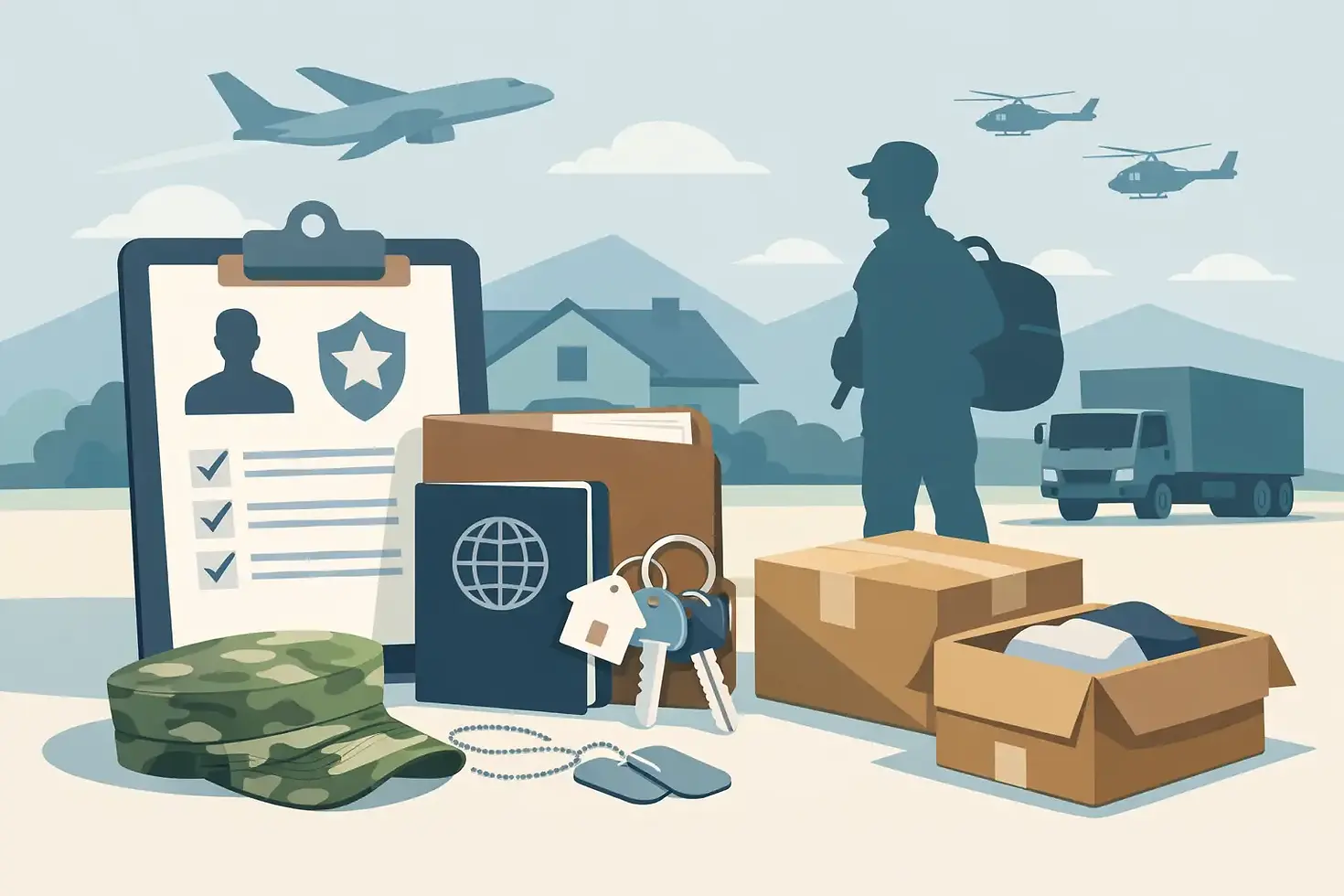
Essential Documents for Military Relocation

A PCS move can go sideways over something as small as a missing signature, an expired ID, or paperwork packed in a box headed across the country. Keeping the essential documents for military relocation within arm’s reach gives your family one less problem to solve when dates change, lodging falls through, or the movers arrive at the door.
The goal is not to carry every record you have ever received. It is to build one secure, portable file that lets you check in, sign for services, travel, accept your household goods, and handle an emergency without digging through cartons. For military families moving to, from, or around Fort Hood, that little bit of preparation can make a hard week much more manageable.
Start With a PCS Document Binder
Use a sturdy accordion folder, zipper binder, or document case that stays with you during the move. Do not load it onto the moving truck, put it in storage, or leave it in an unattended vehicle. Make digital copies of the most critical records, too, and keep them in an encrypted, password-protected location that both spouses can access if appropriate.
Paper copies still matter. A leasing office, school registrar, medical provider, hotel desk, or claims representative may need to see an original or a signed copy. Keep documents grouped by purpose and label each section clearly. If you have children, pets, a second vehicle, or a specialty item, add a section for those needs before packing begins.
It also helps to keep a simple contact sheet in the front. Include your gaining unit, losing unit, transportation office, moving coordinator, landlord or property manager, emergency contacts, and the phone numbers for any moving company or vehicle carrier involved in the move. When your phone battery is low or service is spotty, a paper list earns its place.
Essential Documents for Military Relocation: Your Core File
Your orders are the foundation of the file. Carry your official PCS orders, any amendments, and several copies. Orders can be needed for travel, temporary lodging, housing applications, school registration, installation access, pet travel, and reimbursement questions. If your orders are updated, replace the old version right away so you are not handing someone paperwork with the wrong reporting date or duty location.
Along with orders, keep these core records together:
Military IDs for eligible family members, plus driver’s licenses or state IDs and passports if you have them.
Social Security cards, birth certificates, marriage certificates, divorce decrees, custody agreements, and powers of attorney that could affect travel, enrollment, or financial decisions.
Vehicle registration, proof of insurance, lienholder information, vehicle title documents if applicable, and loan or lease paperwork.
Medical and dental records, prescription information, immunization records, and copies of insurance cards.
Financial records such as banking contact information, recent account details, tax records, home sale or lease paperwork, and documentation for travel or relocation expenses.
Not every family needs every item in the same way. A single service member may need a leaner file than a family with school-age children, pets, two vehicles, and a home sale in progress. Still, it is easier to remove a document later than to chase one down after your household goods are already loaded.
Keep Legal Papers Current
A power of attorney can be a real problem-solver when one spouse has to handle a lease, vehicle, banking issue, or delivery appointment while the service member is unavailable. But it only works if it is current, specific enough for the task, and accepted by the organization involved. Check expiration dates before the move and ask ahead if a landlord, lender, or dealer has its own requirements.
If there is a custody order, a family care plan, or paperwork involving a dependent with special needs, keep clean copies in the same secure file. These documents are personal, but a move is not the time to discover that the only copy is buried in a storage tote.
Household Goods Paperwork Deserves Its Own Section
Military moves come with schedules, inventories, and delivery windows that can change quickly. Keep all household goods documents together from the first survey through final delivery. This includes the shipment number, inventory sheets, weight tickets if provided, pickup and delivery information, contact details, and any written notes about special handling.
At pickup, read the inventory before you sign it. You do not need to hold up the crew over every scuff mark, but you should make sure high-value items and existing damage are described accurately. Take date-stamped photos of furniture, electronics, antiques, and specialty pieces before loading. Open drawers, photograph serial numbers where useful, and save the photos in more than one place.
When delivery day arrives, have your paperwork and phone ready. Check off cartons as they come in, inspect major items before the crew leaves when possible, and document damage or missing items promptly. A moving company cannot fix what it does not know about, and delayed paperwork can make the next step harder than it needs to be.
For a personally procured move, keep receipts, certified weight tickets, rental agreements, fuel records, and any paperwork required for reimbursement in one clearly marked section. Requirements can vary, so follow the current instructions from your transportation office rather than relying on advice from an older PCS.
Housing, School, and Medical Records Keep the Family Moving
Housing paperwork tends to show up fast. Whether you are moving into on-post housing, renting in Killeen, or buying near your next duty station, keep copies of your lease, renter’s insurance, utility confirmations, move-in inspection notes, and landlord contact information. If you are leaving a rental, take photos after cleaning and save proof of notice, final walk-through documents, and utility shutoff confirmations.
For children, school records can prevent a rough first week. Bring report cards, transcripts, immunization records, individualized education programs, 504 plans, and contact information for the previous school. If your child receives counseling, therapy, or specialized services, ask providers what records and referral documents will help establish care at the new location.
Medical records need the same attention. Carry enough prescription medication to cover travel and early settling-in time, along with prescription numbers and your pharmacy information. Keep a short medical summary for each family member that lists allergies, current medications, major conditions, and providers. This is especially helpful if a routine appointment turns into an urgent care visit during the move.
Do Not Forget Pets, Vehicles, and High-Value Items
Pets and vehicles create their own paperwork trail. For pets, bring vaccination certificates, rabies records, microchip details, veterinary contact information, and any health certificate required by your destination or airline. If you are crossing state lines with an animal, check current rules early because requirements can differ.
For vehicles, carry registration, insurance, lienholder information, and the inspection paperwork your new state may require. If a vehicle is being shipped, photograph its condition before handoff, remove personal items if required, and keep the carrier’s inspection report with your other transportation documents.
Specialty items deserve written notes and photos, especially pool tables, grandfather clocks, safes, antiques, and high-value electronics. If an item has removable parts, unusual setup instructions, or a known issue, document it before the move. Clear information helps the crew handle it correctly and helps everyone avoid confusion later.
Make the File Easy to Use on Move Day
A document binder is only useful if it stays accessible. Put it in the vehicle with your overnight bag, medications, chargers, and a small folder of immediate travel needs. Let your spouse or another trusted adult know exactly where it is. Avoid storing original documents in a purse, backpack, or glove compartment that could be lost during a rushed stop.
Two weeks before pickup, sit down for a 20-minute review. Check IDs and orders, confirm your moving dates and contacts, make sure prescriptions are filled, and look for anything that has expired. Then review it again the night before loading. That second check catches the papers that were pulled out for an appointment and never returned.
A military move asks a lot of a family, often with very little room for error. Keep the paperwork close, take photos before the truck is loaded, and ask questions when something does not match your records. When it is time to schedule careful, military-aware moving help, LoadMaster Moving Service is ready to help you save money and move better.


Comments